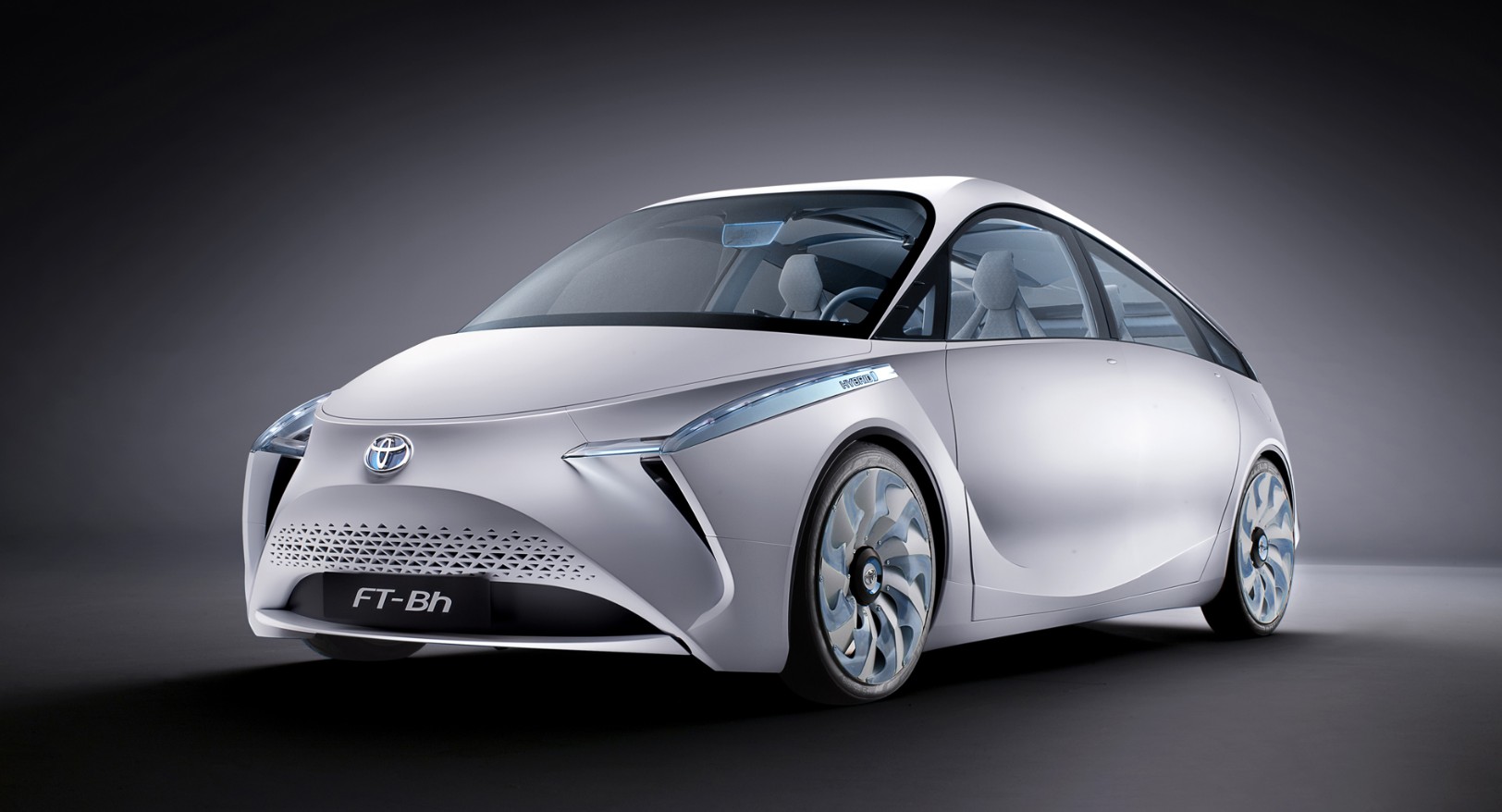
2028 Toyota FT-Bh Release Date, Price, Configurations – The 2028 Toyota FT-Bh has not been announced as a production vehicle by Toyota. The FT-Bh name belongs to a real Toyota concept unveiled at the 2012 Geneva Motor Show: a lightweight B-segment hybrid study focused on low fuel consumption, reduced emissions, and affordable engineering. The article below treats the 2028 model as a hypothetical revival rather than a confirmed new car. Historical FT-Bh figures are identified as concept-car targets, not promised specifications for a future production model. 2028 Toyota FT-Bh Release Date
2028 Toyota FT-Bh Redesign and Update Plan
Exterior & Interior
The 2028 Toyota FT-Bh is an intriguing name for a possible return to the small hybrid-car segment, especially as drivers look for practical vehicles that combine affordable ownership with excellent fuel economy. The original FT-Bh, short for Future Toyota B-segment hybrid, was introduced in 2012 as a compact-car concept built around the idea that environmental efficiency should not require expensive materials or complicated engineering. Its development focused on reducing vehicle weight, improving aerodynamics, and using a compact gasoline-electric hybrid system. A modern interpretation for 2028 could revisit those principles with newer battery technology, more sophisticated driver assistance, and the latest Toyota hybrid engineering. However, Toyota has not confirmed that a 2028 FT-Bh will enter production.
If Toyota decided to revive the FT-Bh name, the project could make sense as a small hatchback positioned below larger hybrid models. The market has changed considerably since the original concept appeared, with stricter emissions requirements, more advanced safety expectations, and growing demand for efficient urban transportation. A new FT-Bh could target commuters, young professionals, and small families who want a comfortable daily vehicle without the size or running costs of a larger crossover. Its strongest selling point would likely be a balance between low fuel consumption, useful cabin space, easy manoeuvrability, and a purchase price that remains accessible to a broad range of buyers.
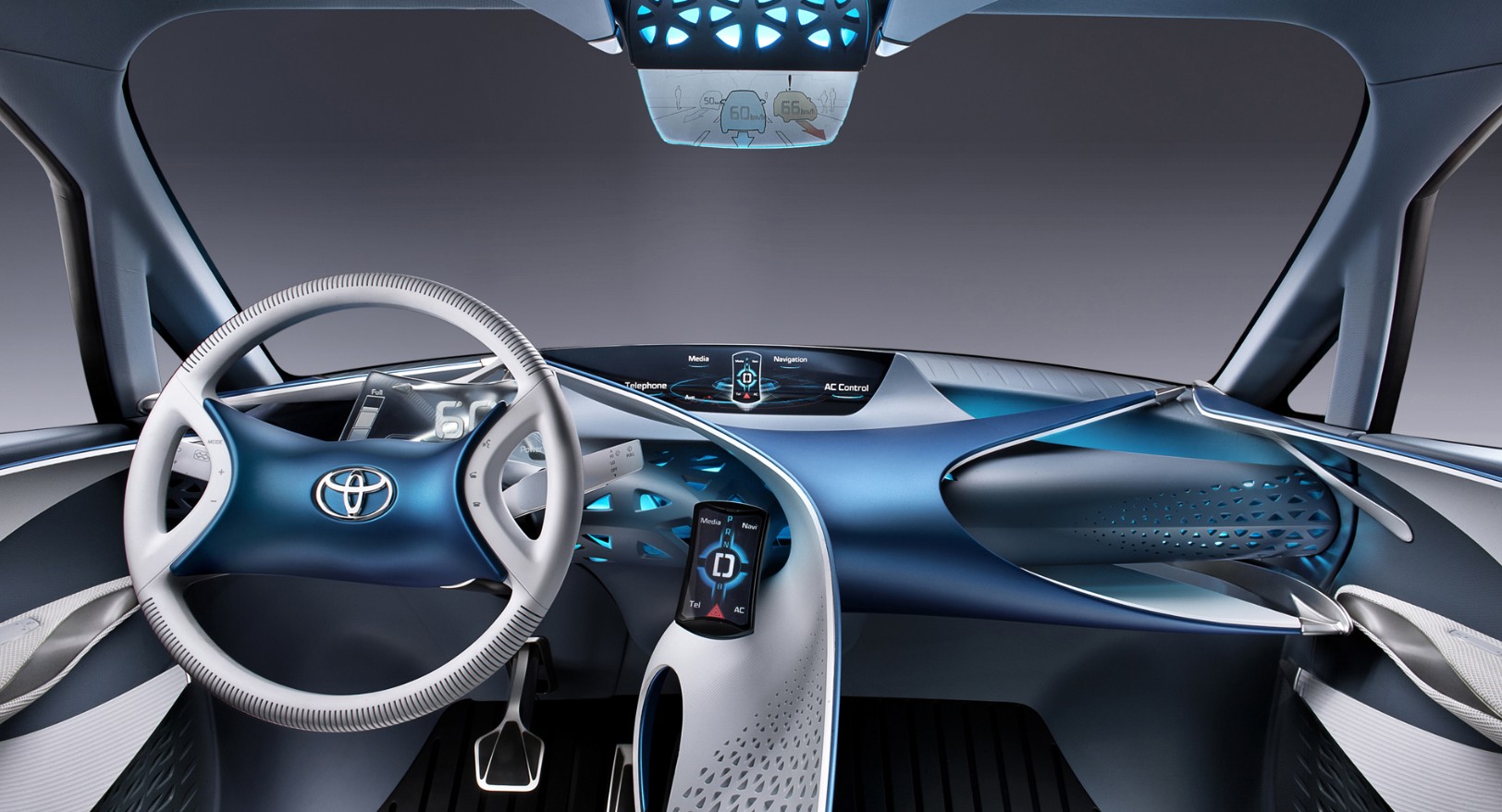
A complete redesign would be expected if the FT-Bh concept ever became a production car, because the original vehicle was created as a technical demonstration rather than a showroom-ready model. A contemporary version would need conventional doors, practical seating, modern crash protection, production lighting, and a cabin designed for everyday use. Toyota could retain the original lightweight philosophy while adapting the body structure to meet current safety standards. The engineering challenge would be to keep the vehicle light without compromising occupant protection, refinement, durability, or equipment. Rather than simply recreating the 2012 concept, Toyota would need to translate its central efficiency ideas into a modern and affordable compact car.
The most sensible update strategy would be an evolutionary interpretation of the original FT-Bh philosophy. Toyota could combine a compact hybrid powertrain with improved energy management, low-rolling-resistance tyres, carefully shaped bodywork, and efficient electrical systems. A modern platform might also support improved connectivity and more comprehensive active safety equipment. These are reasonable possibilities, not confirmed specifications or an announced development programme. Until Toyota releases official information, there is no verified 2028 FT-Bh production schedule, platform announcement, prototype specification, or confirmation that the name will return. For now, the model is best understood as an interesting potential direction for Toyota’s small-car hybrid engineering.
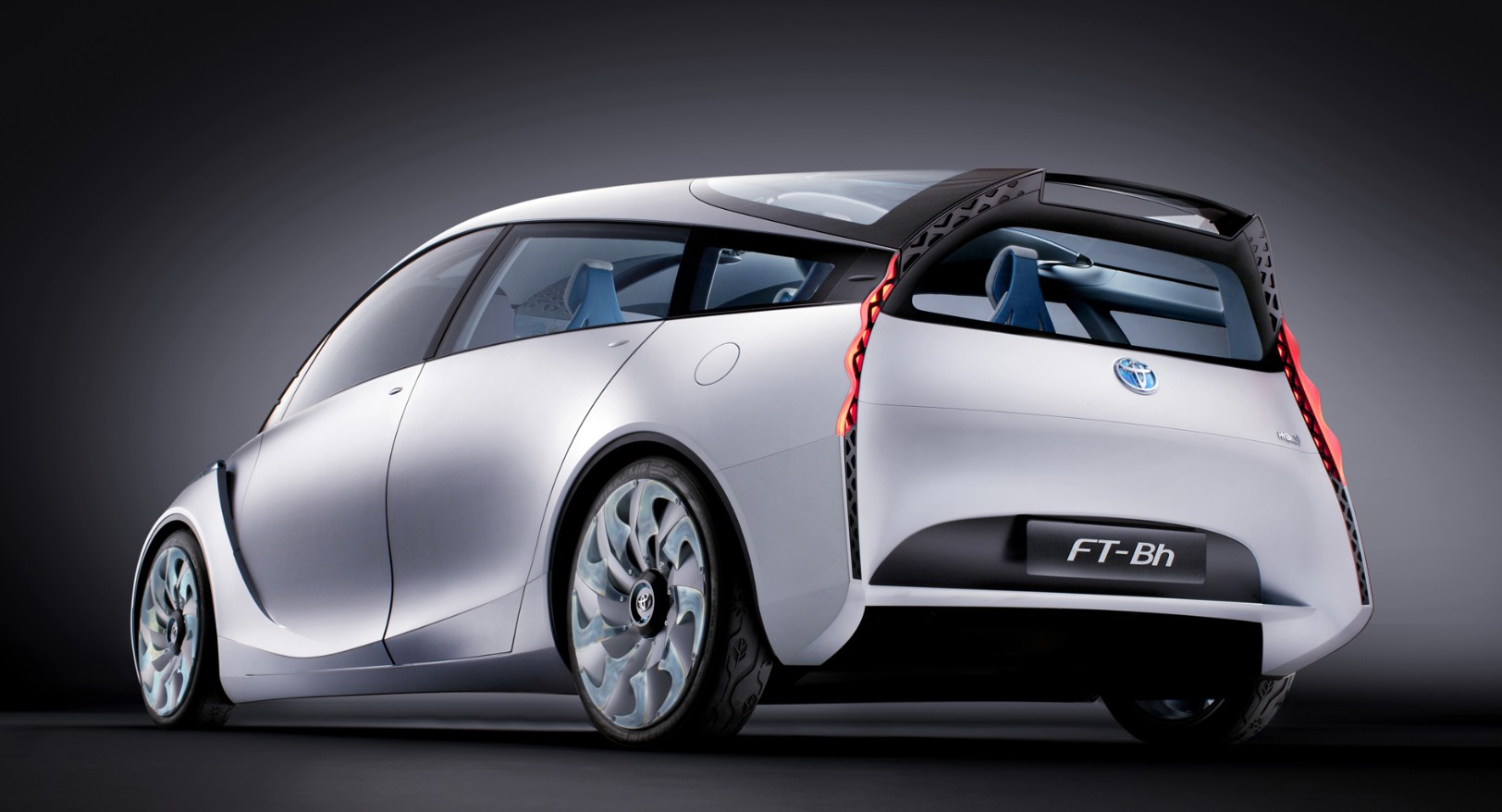
A future Toyota FT-Bh could adopt a compact five-door hatchback body with a distinctive aerodynamic profile. The original concept measured 3,985 millimetres in length, 1,695 millimetres in width, and 1,400 millimetres in height, giving it proportions suitable for crowded city streets while maintaining a useful passenger compartment. A 2028 interpretation would probably need a more conventional roofline and additional attention to rear-seat access, luggage capacity, and visibility. Toyota could preserve the concept’s low, streamlined silhouette while giving the production vehicle a stronger visual identity. The goal would be to create a small car that looks modern and purposeful without relying on oversized body panels or unnecessary decorative features.
At the front, a production-inspired FT-Bh could feature narrow LED headlights, a compact grille area, and carefully shaped bumper openings. The original concept used a prominent lower grille and vertical lighting elements, with the front bodywork designed to guide air around the vehicle. A modern version could reinterpret those features using slim daytime running lights, a smoother front fascia, and functional air curtains around the bumper corners. The hood could slope gently toward the windscreen to improve forward visibility and airflow. Toyota would also have an opportunity to give the car a more recognizable family appearance through lighting graphics and body proportions, rather than simply copying the styling of an existing Yaris or other compact model.
The side profile would be particularly important because the FT-Bh’s identity is closely connected to aerodynamic efficiency. The original concept used a long roofline, slim pillars, sculpted surfaces, and a tapered rear section to reduce resistance through the air. A 2028 production version could use flush-style door handles, carefully designed wheel covers, a gently rising beltline, and a roof spoiler to achieve a similar visual effect with more practical construction. Large-diameter wheels with narrow, efficiency-focused tyres might also suit the design, although Toyota would need to balance rolling resistance with wet-weather grip, braking performance, tyre availability, and ride comfort. A carefully managed combination of these details could help the car look distinctive without adding unnecessary weight.
Inside, the 2028 Toyota FT-Bh could focus on intelligent space management rather than luxury for its own sake. The original concept explored a lightweight cabin with a driver-oriented dashboard, a sculpted centre console, and an interior design inspired by stretched fabric. A modern interpretation could replace that experimental appearance with durable materials, a digital instrument display, a central touchscreen, and straightforward physical controls for frequently used functions. The seating position should provide good visibility, while a relatively upright cabin could help create useful headroom despite the car’s compact exterior. Four adults could be the natural priority, with a practical rear bench and enough luggage space for everyday shopping, backpacks, and small suitcases. Toyota has not published any cabin measurements or equipment list for a 2028 FT-Bh. 2028 Toyota FT-Bh Release Date
2028 Toyota FT-Bh Specs
Engine & Performance
The original FT-Bh was designed around a full hybrid system combining a 1.0-litre, two-cylinder gasoline engine with an electric motor and a lithium-ion battery. Toyota’s historical concept information described an Atkinson-cycle engine developed for high thermal efficiency, low friction, and reduced weight. The system was intended to demonstrate how a small hybrid powertrain could deliver very low fuel consumption without depending on expensive materials or exotic manufacturing methods. A 2028 production vehicle would almost certainly require updated hardware and software, but the original engineering direction remains relevant: use a compact combustion engine, recover energy during deceleration, and allow electric assistance to reduce fuel use during low-speed driving.
For a modern revival, Toyota could consider a newer three-cylinder gasoline engine paired with an electric motor, following the company’s broader experience with compact hybrid systems. Such an arrangement could provide smoother operation and more familiar performance characteristics than the original two-cylinder concept. However, no engine displacement, motor output, battery capacity, transmission type, or acceleration figure has been announced for a 2028 FT-Bh. Any specific horsepower estimate would therefore be speculation. A realistic development target would be adequate acceleration for urban traffic, predictable response at junctions, and enough reserve power for motorway merging. The priority would not necessarily be high top speed; it would be making the car responsive and economical in the conditions where small hatchbacks spend most of their time.
A lightweight body could be one of the most important ingredients in the driving experience. The 2012 concept had a stated vehicle mass of approximately 786 kilograms, achieved through extensive weight-saving measures involving high-tensile steel, aluminium, magnesium, and lighter interior components. That figure should not be treated as a realistic expectation for a modern production vehicle, because today’s safety systems, comfort equipment, structural requirements, and battery components add mass. Nevertheless, the underlying principle remains valuable. Reducing unnecessary weight can improve acceleration, braking response, handling, and energy consumption at the same time. If Toyota developed a new FT-Bh, carefully engineered body panels, compact components, and a right-sized battery could help preserve that advantage.
2028 Toyota FT-Bh Fuel Economy
Fuel economy would probably be the headline objective of any production FT-Bh. The original concept targeted 2.1 litres per 100 kilometres under the New European Driving Cycle, equivalent to approximately 134.5 UK miles per gallon, and emissions of 49 grams of carbon dioxide per kilometre. Those figures belonged to the 2012 concept and were measured using an older test procedure; they are not a prediction of real-world consumption for a 2028 car. A modern model would need to be assessed under the testing standards applicable in its sales markets. Toyota could pursue excellent city efficiency through regenerative braking, electric assistance, low engine friction, and aerodynamic improvements. Actual consumption would depend on the final powertrain, vehicle weight, tyres, driving conditions, climate, and certification cycle.
2028 Toyota FT-Bh Safety Features
Safety would be a central requirement if Toyota transformed the FT-Bh from a concept into a production hatchback. A new small car would need a rigid passenger compartment, carefully engineered front and side impact structures, effective restraint systems, and a comprehensive airbag package appropriate to its market. The original FT-Bh was an engineering study focused on efficiency, and its published concept specifications should not be confused with a modern production safety rating. A 2028 vehicle would have to undergo the relevant crash tests and meet local regulations before Toyota could make verified claims about occupant protection. Lightweight construction would need to work alongside structural strength, not at the expense of it.
Active driver assistance could also make a future FT-Bh more competitive. Depending on the market and final equipment strategy, Toyota might offer automatic emergency braking, pedestrian detection, lane-departure alerts, lane-keeping assistance, adaptive cruise control, and traffic-sign recognition. A reversing camera and parking sensors would be useful in tight urban spaces, while blind-spot monitoring and rear cross-traffic alert could be available on higher equipment grades. These technologies are plausible features for a modern Toyota, but none has been confirmed for a 2028 FT-Bh. Their availability would depend on the production specification, local regulations, sensor package, and the price Toyota intended to achieve.
The trim structure would probably be designed around a small number of clear equipment levels if the model were approved for production. An entry-level grade could concentrate on affordability, including essential safety equipment, automatic climate control, a basic infotainment system, and practical cabin materials. A mid-range version could add a larger touchscreen, smartphone integration, upgraded upholstery, alloy wheels, and additional convenience features. A higher grade might receive more advanced driver assistance, improved audio, distinctive exterior details, and a more sophisticated instrument display. This kind of range would allow Toyota to reach different customers without creating an unnecessarily complicated product line. At present, however, there are no official 2028 FT-Bh trim names or equipment packages.
Toyota could also consider a particularly efficient grade that prioritises low running costs over appearance upgrades. Such a version might use smaller wheels, low-rolling-resistance tyres, lightweight trim, and a carefully selected set of standard features. A more comfort-oriented grade could offer improved seat upholstery, extra sound insulation, and additional cabin technology, while a sport-inspired version could use distinctive bumpers and interior accents without requiring a more powerful engine. These are possible product-planning approaches rather than confirmed Toyota plans. The best configuration would depend on customer demand and the market in which the vehicle was sold. A successful small hybrid needs to remain affordable to buy and maintain, not simply impressive on a specification sheet. 2028 Toyota FT-Bh Release Date
2028 Toyota FT-Bh Release Date & Price
Pricing would be one of the biggest challenges for a hypothetical 2028 Toyota FT-Bh. The original concept was explicitly developed around the idea of achieving exceptional efficiency through economically viable engineering methods, rather than relying on expensive materials and complicated production techniques. That philosophy would be essential for a modern version. A small hybrid positioned too close to larger hatchbacks or compact SUVs could lose its main advantage, particularly for buyers who choose a vehicle primarily to reduce everyday transport costs. Toyota would need to control battery expenses, manufacturing complexity, and standard equipment while still providing the safety and technology expected from a new car.
There is no official starting price, currency specification, or confirmed market positioning for a 2028 Toyota FT-Bh. Any price published before Toyota announces a production model should be treated as an estimate rather than a manufacturer’s recommended retail price. If the vehicle were developed as an entry-level hybrid hatchback, its price would likely need to sit below larger Toyota hybrid models in the same market. However, prices would vary substantially between countries because of taxes, import duties, local assembly, currency movements, equipment differences, and government incentives. A price estimate for Europe, Japan, or the United States would not automatically reflect what customers might pay in Indonesia or other Southeast Asian markets.
The release date is equally uncertain. Toyota has not confirmed a 2028 FT-Bh reveal, production start, dealership arrival, or order-opening schedule. The original concept debuted at the Geneva Motor Show in March 2012, but that event does not indicate a future launch timetable. If Toyota were to approve a new model, the company would first need to reveal its development direction, production design, technical specifications, and intended markets. A vehicle carrying a 2028 model-year label could also be introduced at a different point in the calendar year depending on regional sales practices. Without an official announcement, assigning a specific month or launch quarter would create a false impression of certainty.
Market availability would depend on whether Toyota viewed the FT-Bh as a global small car or a product aimed at selected regions. Europe could be a natural market for a compact hybrid because of urban driving patterns and demand for lower-emission vehicles. Japan could also be relevant, particularly if the car were engineered for narrow streets, compact parking spaces, and efficient daily commuting. Southeast Asian markets might offer another opportunity, although local pricing and customer preferences would influence the business case. In Indonesia, buyers would need confirmation from Toyota’s local distributor before assuming that a future FT-Bh would be sold through official dealerships. At present, no country has been confirmed as a destination for a 2028 production model.
Conclusion
The 2028 Toyota FT-Bh is an appealing possibility because its original concept addressed a challenge that remains important: creating a small, practical car that uses less fuel without becoming expensive or complicated. Its lightweight construction, aerodynamic body, compact full-hybrid powertrain, and focus on everyday usability offered a distinctive vision for affordable mobility. A modern revival could build on those ideas with updated hybrid technology, improved safety systems, contemporary connectivity, and a more practical cabin. Nevertheless, the 2028 model has not been confirmed by Toyota, and no production specifications, trims, prices, or release dates are available. Until the manufacturer provides official details, the FT-Bh should be viewed as a promising concept name rather than a scheduled new Toyota.
Note: This blog post’s material is primarily sourced from resources that were available previous to the product’s release. For the most up-to-date information, contact your local dealership or consult official sources.
Frequently Asked Questions
2028 Toyota FT-Bh Release Date, Price, Configurations - The 2028 Toyota FT-Bh has not been announced as a production vehicle by Toyota. The FT-Bh name belongs to a real Toyota concept unveiled at the 2012 Geneva Motor Show: a lightweight B-segment hybrid study focused on low fuel consumption,…
2028 Toyota FT-Bh Redesign and Update Plan Exterior & Interior The 2028 Toyota FT-Bh is an intriguing name for a possible return to the small hybrid-car segment, especially as drivers look for practical vehicles that combine affordable ownership with excellent fuel economy. The original FT-Bh, short for Future…
If Toyota decided to revive the FT-Bh name, the project could make sense as a small hatchback positioned below larger hybrid models. The market has changed considerably since the original concept appeared, with stricter emissions requirements, more advanced safety expectations, and growing demand for efficient urban transportation. A…
A complete redesign would be expected if the FT-Bh concept ever became a production car, because the original vehicle was created as a technical demonstration rather than a showroom-ready model. A contemporary version would need conventional doors, practical seating, modern crash protection, production lighting, and a cabin designed…
The most sensible update strategy would be an evolutionary interpretation of the original FT-Bh philosophy. Toyota could combine a compact hybrid powertrain with improved energy management, low-rolling-resistance tyres, carefully shaped bodywork, and efficient electrical systems. A modern platform might also support improved connectivity and more comprehensive active safety…